

How To Create Nitrogen For Plants
Nitrogen (N) is among the vital elements needed for the survival of living things. It being an abundant common element on earth, it forms approximately 78% in the earth's atmosphere.
Nitrogen is chemically reacted with other compounds such as ammonia, nitric acid, organic nitrates and cyanides to form unique compounds with totally different chemical and physical properties.
Since plants cannot use or take nitrogen directly from the atmosphere, uptake is through nitrogen forms that include ammonium and nitrate.
Why is Nitrogen Important to Plants?

Nitrogen is a paramount element for plants since it is a core component of many plant structures and for both their internal and external metabolic processes.
Plants are required to manufacture the complex molecules through metabolism activities to survive by use of minerals from the soil that contain nitrogen such as nitrate ions.
Plants too, like animals, need some important macro and micro nutrient elements including nitrogen, oxygen, hydrogen and carbon to keep them healthy.
The wellness of plant parts (leaves, roots, trunks e.t.c) depends on the availability of essential nutrients like nitrogen to enhance the plant's biological processes including growth, absorption, transportation, and excretion.
Since nitrogen is present in different fertilizers , the plants through the roots can enhance uptake.
What is the Function of Nitrogen in Plants?

Nitrogen, in a way, could be termed "a backbone" of plants based on what it does in plants.
Of all the essential nutrients, Nitrogen is required by plants in large amounts since it plays important functions and can be the limiting factor in plant production and proper crop development.
Here is a look at Nitrogen's functions in plants:
- Nitrogen is an essential element of all the amino acids in plant structures which are the building blocks of plant proteins, important in the growth and development of vital plant tissues and cells like the cell membranes and chlorophyll.
- Nitrogen is a component of nucleic acid that forms DNA a genetic material significant in the transfer of certain crop traits and characteristics that aid in plant survival. It also helps hold the genetic code in the plant nucleus.
- Chlorophyll being an organelle essential for carbohydrate formation by photosynthesis and a substance that gives the plant their green color, nitrogen is a component in it that aids in enhancing these features.
- Nitrogen is essential in plant processes such as photosynthesis. Thus, plants with sufficient nitrogen will experience high rates of photosynthesis and typically exhibit vigorous plant growth and development.
What is Nitrogen Deficiency in Plants?
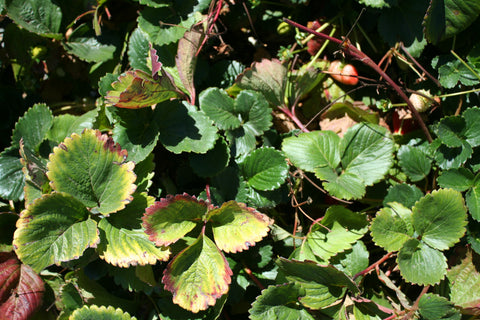
Where there is an insufficient supply of Nitrogen regardless of its abundance in the atmosphere, it leads to severe plant disorders.
Nitrogen deficiency in plants is likely to occur when other minerals like carbon are added to the soil that would directly lead to the unavailability of it to the plants.
This is because a lot of Nitrogen will be used by soil organism to break down the harmful carbon sources "taking away" the nitrogen from the soil.
This will automatically translate to the reduction of chlorophyll content of plants, therefore, affecting flowering, fruiting, starch and protein contents undermining plant health.
Ammonium, Nitrate and Urea Nitrogen Fertilizers
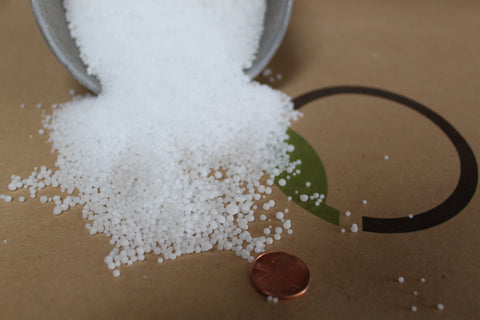
Nitrogen can only be fixed and made available to plants through biological and chemical nitrogen fixation such as from nitrogen fertilizers and also through atmospheric nitrogen addition.
Nitrogen comes in different forms: Ammonium , Nitrate and Urea. Nitrogen with nitrate nitrogen is the most abundant with easy uptake.
Nitrate nitrogen favors soil retention, unlike ammonium nitrogen which requires more oxygen to be metabolized in the roots of plants where it reacts with sugars.
Urea nitrogen , on the other hand, is a waste form of nitrogen.
How is Nitrogen Used in Hydroponic Agriculture?
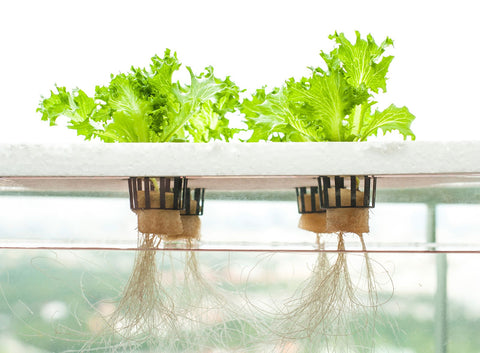
Nitrogen is increasingly used in hydroponics agriculture where plants are grown without soils. It is important to note that the exact amount of nitrogen required in soil and hydroponic gardening is the same.
Use of nitrogen fertilizers enhances its availability to plants in hydroponic and soil gardening.
Shop our Nitrogen Fertilizer Collection
Our wide range of nitrogen rich fertilizers are sure to support healthy plant growth in all stages. You can shop our collection below.
Related Posts:
- What's the Function of Calcium in Plants?
- What's the Function of Potassium in Plants?
- What's the Function of Phosphorus in Plants?
How To Create Nitrogen For Plants
Source: https://www.greenwaybiotech.com/blogs/gardening-articles/whats-the-function-of-nitrogen-n-in-plants
Posted by: clarkciect1992.blogspot.com
0 Response to "How To Create Nitrogen For Plants"
Post a Comment